
Bruising on the mat
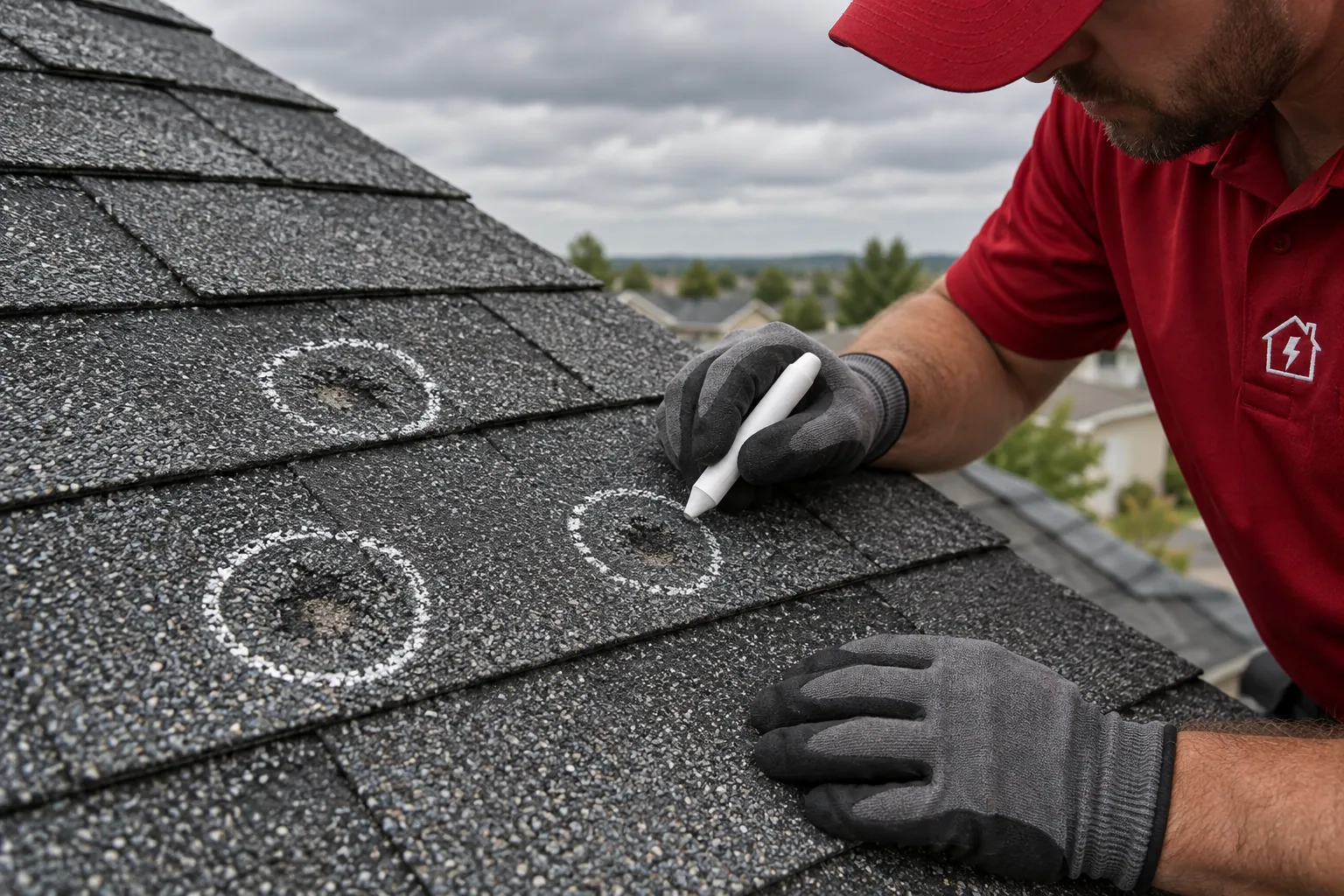
The one that mattersA soft, dark spot where the hail knocked the granules loose and the asphalt underneath has been crushed. It feels like a bruise on an apple. This is the real thing, and you can’t see it from the ground.
Storm & Hail Repair
Here’s how the insurance part actually works.
A free inspection with photos, a straight answer on whether you have a claim worth filing, and someone standing on the roof next to your adjuster when they come out.

Your rep has your details and will call — usually within the hour during business hours.
We can measure your roof from satellite and show you real pricing in about a minute. Nothing to fill in — we already have your address.
Optional. Your estimate is already booked either way.
Within about two days of a hail storm, your street fills up with trucks. Some of them belong to roofers who live forty minutes away and will be here for the next thirty years. Some of them belong to crews who followed the storm in from three states away and will be gone by August.
You can’t easily tell which is which from the doorstep, so your own state insurance department tells you to be careful, and you should be. What follows is how we do it, written plainly enough that you can hold anyone else to the same standard.
South Dakota sees roughly 390 hail events a year and ranks third in the country for hail damage per person — a figure that has more than doubled, which is why some carriers now write a separate hail deductible into SD policies. Worth reading your declarations page before you need it.
The first thing an adjuster checks, because soft metal records the strike honestly. If there are dents in the aluminum, there is almost certainly damage to the shingles as well, whether or not you can see it.
A hailstone that fractures the mat under the surface without breaking through. It feels soft, like a bruise on fruit. This is what actually shortens a roof’s life, and it’s the damage most often missed from the ground.
Impact knocked the protective surface off the shingle. Where that happened, the asphalt is now exposed to UV and will age much faster than the roof around it.
A crease is a break in the mat even when the shingle is still lying flat and looks fine. Those are the ones that let go in the next storm rather than this one.
Some of them live forty minutes away; some followed the storm in from three states and will be gone by August. Ask where the office is, ask for the license, and don’t hand over a deposit to someone who knocked.
No surprises
Most people have never filed one. Here’s the whole sequence, including the parts nobody tells you.
Before you call your insurer. If there’s no real damage, a claim on your record does you no favors. We’ll tell you honestly if you don’t have one — it happens often and it costs you nothing to find out.
It has to come from the policyholder. Anyone who offers to file it for you, or to "handle the deductible", is offering to do something that ranges from unhelpful to illegal. Call your carrier yourself.
Usually within one to three weeks, longer after a big regional event. Ask for the appointment time and tell us — we’ll be on the roof with them.
This is the part that changes outcomes. Adjusters cover enormous territory after a storm and they are moving fast. Having someone there who can point out the soft metal, the mat bruising and the collateral on the gutters and screens keeps the scope honest.
Usually actual cash value first, with the recoverable depreciation released after the work is complete. We go through the scope line by line with you so you know exactly what was and wasn’t approved.
Very common. If the adjuster’s scope leaves out ridge vent, ice-and-water or drip edge, we document it and submit a supplement. That’s a conversation between us and your carrier, not more work for you.
Once the scope is agreed and you’re ready. You pay your deductible and nothing more than that, which is the only legal way this works.
Your options
Worth knowing, because "your roof is destroyed" from someone at your door isn’t a diagnosis.
A soft, dark spot where the hail knocked the granules loose and the asphalt underneath has been crushed. It feels like a bruise on an apple. This is the real thing, and you can’t see it from the ground.
A pile of what looks like coarse sand at the downspout. On its own it can just be an old roof shedding. Alongside bruising it’s corroborating evidence.
Dings in gutters, downspouts, vents, flashing and window screens. Adjusters use these to size the hail and confirm the date, which is why we photograph them even when the damage is on the roof.
A horizontal crease across a shingle means the seal broke and it lifted. Even if it laid back down, that shingle is done — the seal won’t re-form.
How it goes
Same day in most towns after a storm. We prioritize active leaks over everything else.
On the roof, in the gutters, around the screens and soft metal. You get the photos whether you file or not.
Either you have damage worth claiming, or you don’t. If you don’t, we’ll tell you that and leave you alone.
Tell us the appointment and we’ll be there to walk the roof with them.
Scheduled once the scope is settled. Emergency tarping available immediately if you have water coming in now.

After the trucks leave
Within two days of a hail storm your street fills with trucks, and half of them will be three states away by August. We will still be here, because we live here.
We meet your adjuster on the roof, point at what we found, and put it in writing either way.
Straight answers
If the question you have isn’t here, call the number on this page and ask. You’ll get a person who has been on a roof this week.
No. Free, no obligation, and you get the photos either way — including when we tell you there’s nothing worth claiming.
Ask your agent, because it varies by carrier and by state. What we can tell you is that a weather claim is treated differently from an at-fault claim, and that a denied claim still goes on your record — which is the reason to have the roof looked at before you file rather than after.
It happens, and it isn’t always the end of it. If we believe the inspection missed something, we document it and you can request a re-inspection — often with a different adjuster. We’ll tell you honestly whether we think that’s worth your time.
Most policies give you a year, some less, and carriers do enforce it. But the practical deadline is sooner: the longer you wait, the harder it gets to tie the damage to a specific dated storm.
Yes. If you have water coming into the house right now, call instead of filling out a form — we’ll get something over it today.
Maybe. Get a second opinion from somebody with a local address and a phone number that has been the same for years. We’ll give you one free, and if the first guy was right we’ll say so.
Word travels fast out here
Gary and his team were prompt and friendly. Gary reviewed our storm damage - he is knowledgeable and honest. His team did a great job and left our property clean. I recommend Gary and Radiant Roofing and Siding - in fact, I recommended him to my neighbors.
Great customer service, fast and quality roof installation. Crew worked late to get the job done against at a late night storm. Seamless gutter installation was done in less than a day. Quality work. Gunner answered any questions I had very quickly and respectfully. Would recommend to anyone.
Gunner came same day to prevent further damage from storm. Gunner had great communication throughout the entire process. Crew was seen cleaning out my gutter during the replacement of roof. Highly recommend.!
4.9 average across Google · reviews from real projects across the region
Straight answers
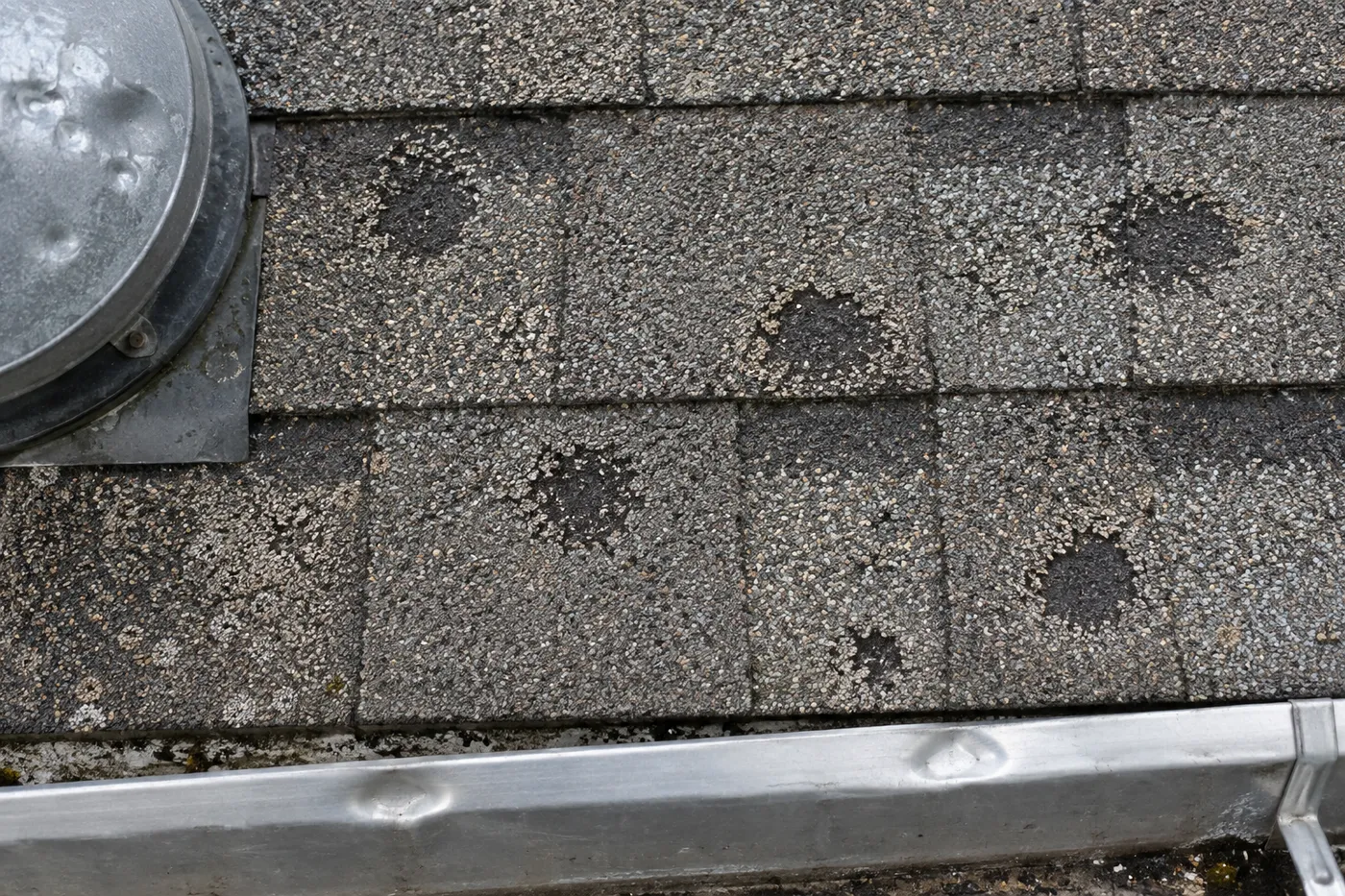 What hail damage actually looks like on a roofMost hail damage doesn't leak, doesn't look dramatic, and can't be seen from the ground. Here's what an adjuster is actually looking for in eastern South Dakota.Read it →
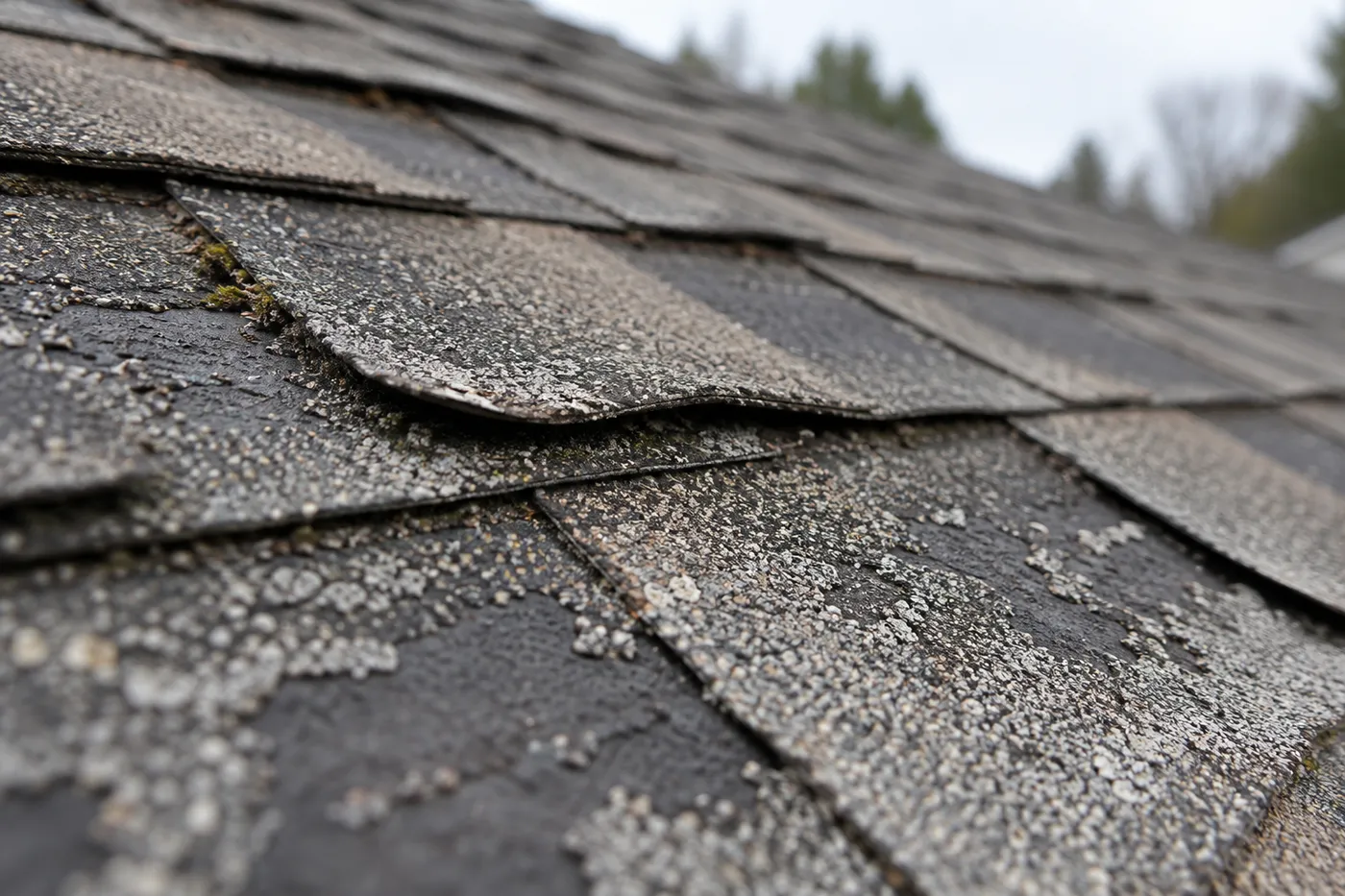 How long a roof lasts in South DakotaThe national number is 20 to 25 years. On the northern plains it's usually less, and the reasons have more to do with your attic than with the shingles.Read it →
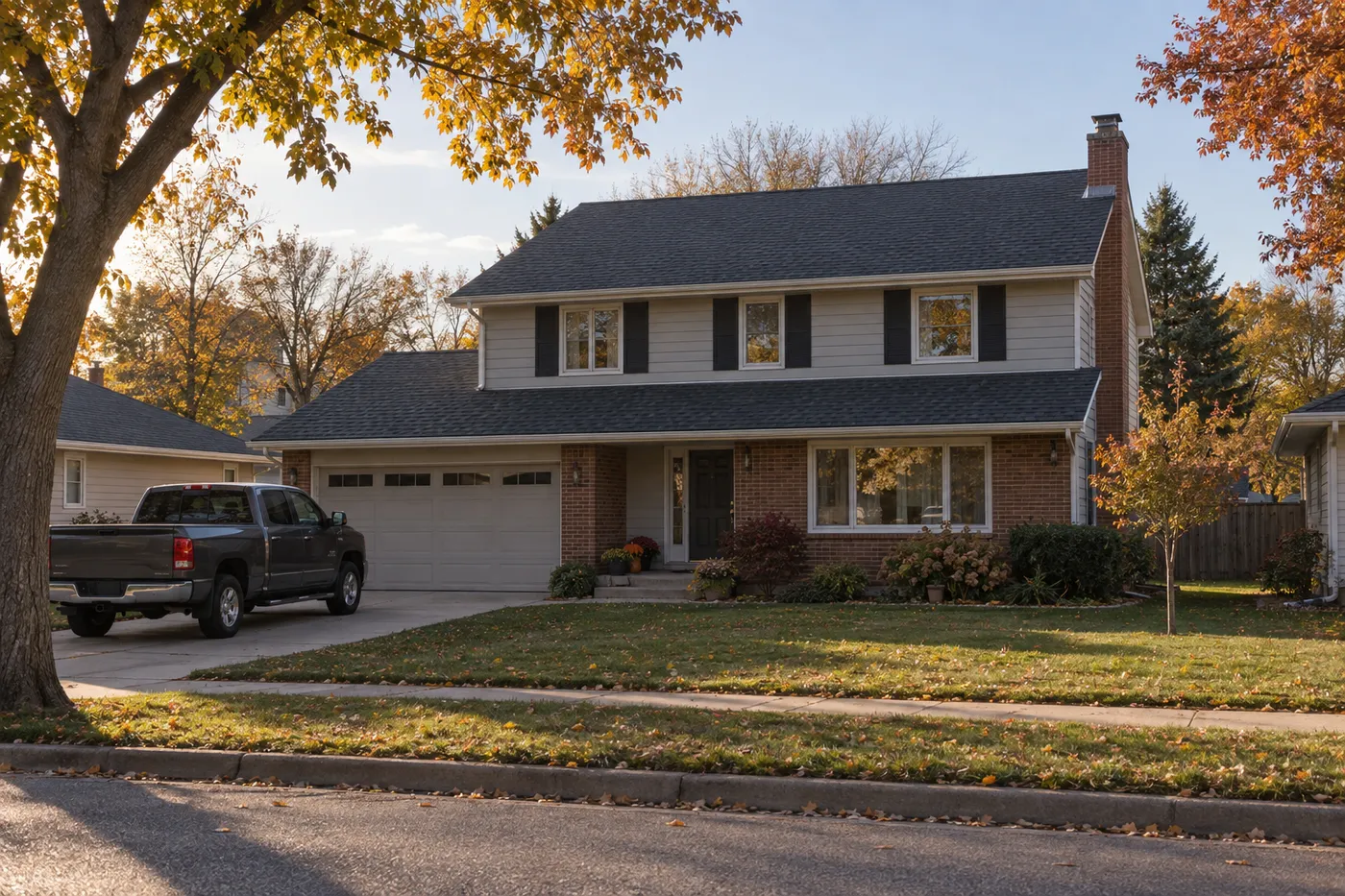 What a new roof actually costs in Sioux FallsWhy the per-square numbers you see advertised never survive contact with a real roof, and what actually moves the price on a house in eastern South Dakota.Read it →
No pressure, no call center, and an honest answer about whether you need the work at all.
or call Matt on 605.496.9595
Free, no obligation — about a minute
Your rep has your details and will call — usually within the hour during business hours.
We can measure your roof from satellite and show you real pricing in about a minute. Nothing to fill in — we already have your address.
Optional. Your estimate is already booked either way.